Iran says Europe has yet to offer concrete proposal for negotiations
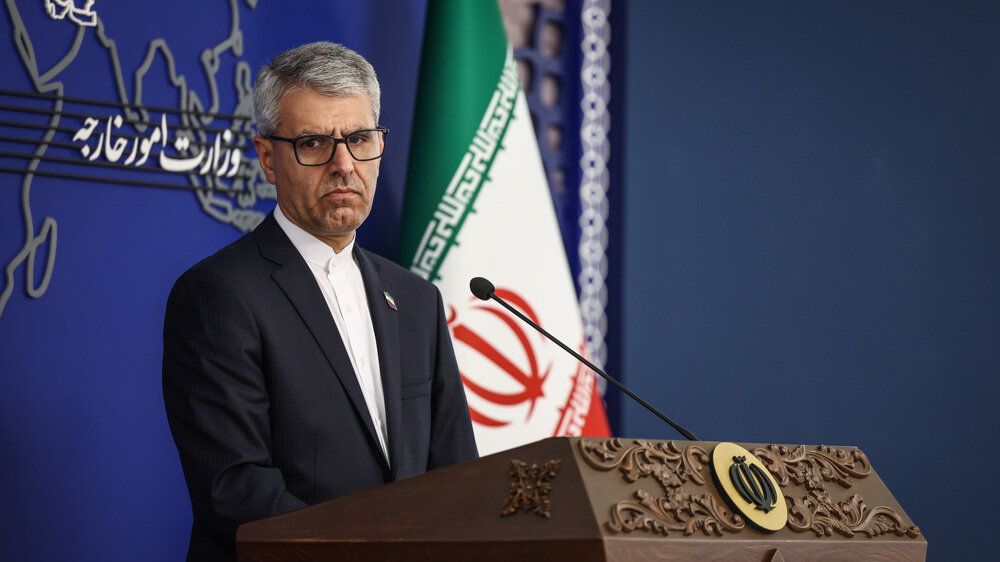
TEHRAN – Iranian Foreign Ministry spokesperson Esmaeil Baqaei said on Monday that Tehran had received no concrete proposal from European countries for negotiations, questioning whether recent European calls for diplomacy reflected a genuine change in policy.
Speaking at his weekly press conference in Tehran, Baqaei described the statements as potentially no more than a political gesture, criticizing France, Germany and the United Kingdom for failing to explicitly condemn the US-Israeli military aggression against Iran over the past two years.
He also criticized Europe's role in efforts to reinstate UN sanctions on Iran through the snapback mechanism, urging European governments to adopt a more independent and constructive approach to developments in West Asia.
Baqaei criticized the 'selective application of human rights principles' by European governments and institutions, citing police actions against protesters in France and Belgium.
He said Iran had summoned the French ambassador and, more recently, the Italian ambassador to convey its concerns over reported human rights violations during protests in Europe. He also criticized European officials for attributing domestic unrest to foreign interference rather than addressing underlying grievances.
Regarding protests in Albania, Baqaei said public opposition to corruption and the transfer of land to foreign business interests was an internal matter. He argued that allegations of foreign interference failed to address the reasons behind the demonstrations.
Iran reaffirms position on nuclear program
Addressing US allegations about Iran's nuclear program, Baqaei reiterated that Iran had never possessed or sought to acquire nuclear weapons.
Referring to former US President Barack Obama's remarks on diplomacy and Iran's nuclear program, he said Tehran had entered the 2015 nuclear agreement in good faith, while Washington withdrew from the deal three years later.
Baqaei argued that allegations about Iran's nuclear intentions had been used to justify military action, pointing to a 'contradiction between US assertions' that Iran's nuclear program had been destroyed and subsequent military threats and attacks.
He stressed that Iran remained prepared to defend itself against threats. Asked about potential threats to submarine communications cables and digital infrastructure, he said decisions on any response rested with the competent authorities and would not be disclosed in advance.
Regional diplomacy and security
Baqaei said a visit by a Qatari delegation to Tehran formed part of ongoing regional consultations on bilateral cooperation and Qatar's mediation role amid heightened tensions.
He also said the cancellation of a meeting in Salalah would not change Iran's position that regional countries should establish collective security arrangements based on their own capabilities. Tehran had advanced similar proposals at meetings in Baghdad and within the Organization of Islamic Cooperation, he added.
On Yemen, Baqaei called for the dispute between Yemen and Saudi Arabia to be resolved through dialogue, warning that sanctions and military action harmed the Yemeni people and their rights.
Pezeshkian's Russia visit to focus on energy cooperation
Baqaei said President Masoud Pezeshkian's planned visit to Russia for the Gas Exporting Countries Forum (GECF) summit on Tuesday would provide an opportunity for major energy suppliers to consult on shared challenges and priorities.
He highlighted longstanding energy cooperation between Iran and Russia, particularly efforts to increase investment, facilitate technology transfer and diversify natural gas export routes. Pezeshkian was also expected to hold bilateral meetings with other leaders attending the summit.
Iran questions US commitment to negotiations
Baqaei said Iran remained open to diplomacy but questioned Washington's commitment to a genuine negotiating process, citing its withdrawal from the 2015 nuclear agreement and 'its failure' to honor the Islamabad memorandum of understanding.
He stressed that meaningful negotiations required reciprocal commitments rather than demands for unilateral concessions while sanctions and military threats continued.
Iran's foreign policy decisions, including those concerning possible negotiations with the United States, were guided by national interests and a broader diplomatic process, he added, rather than short-term fluctuations in global oil prices.
Iran monitoring border and security developments
On border issues with Pakistan, Baqaei said consultations were continuing over technical matters involving system upgrades and security concerns, describing the process as positive.
Regarding Iran-Iraq border issues, he said Iran's embassy in Baghdad and its consulates were pursuing a resolution, stressing the importance of protecting the interests of both countries. He also noted that US sanctions had consequences for the Iraqi people.
Baqaei added that Iranian authorities were monitoring reports concerning drone bases near Iran and Ukrainian movements in Iraq, saying the relevant institutions would take necessary measures to counter threats.
Leave a Comment