Trade flows continue despite temporary border closures, higher logistics costs
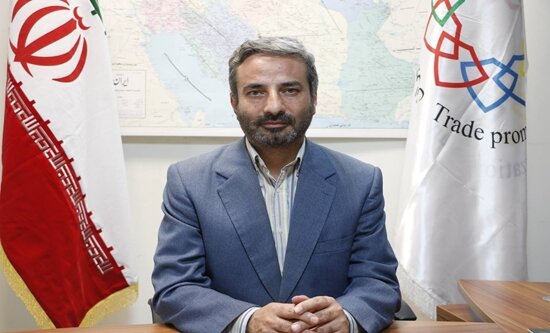
TEHRAN – Goods continue to enter Iran despite restrictions on transport routes, with shipments being redirected through alternative corridors when individual routes are disrupted, a trade official said.
Seyed Ali Emami, director general of the Trade Logistics and Support Office at the Trade Promotion Organization of Iran (TPO), said maritime restrictions had prompted a shift toward alternative transport routes but had not halted seaborne shipments into the country.
The level of restrictions varies according to cargo type and vessel conditions, with some ships facing tighter controls than others, Emami said.
He said importers were increasingly using multimodal transport and changes to shipping documentation, including a practice known as “switching bills of lading.” Some goods are also entering Iran on smaller vessels or via rail and road networks.
Restrictions may temporarily affect land crossings with Pakistan, Iraq, Turkey, Azerbaijan and Turkmenistan, Emami said, adding that the psychological impact of reports about border closures can sometimes exceed their practical consequences.
A border may close for two days before operations gradually resume, he said. Such reports can trigger significant concern even when cargo movements restart after a short disruption.
Goods continue to enter Iran through various routes despite the restrictions, Emami said. When one border becomes inaccessible, shipments can be redirected through other crossings, although detours may lengthen transport distances and increase costs.
The main downside is higher logistics expenditure, he said, noting that the additional costs depend on the type of goods, country of origin and mode of transport.
Restrictions have affected road, rail and maritime transport, but they have not brought the country’s commercial logistics to a complete standstill, Emami said. Shipments are continuing, although they may take longer and cost more than before.
Regarding trucks held up at border crossings, he said such delays had occurred even before the current wartime conditions, though the situation could exacerbate existing constraints.
EF/
Leave a Comment