Lula defeats pro-Israel Bolsonaro, dealing Trump a major Latin American blow
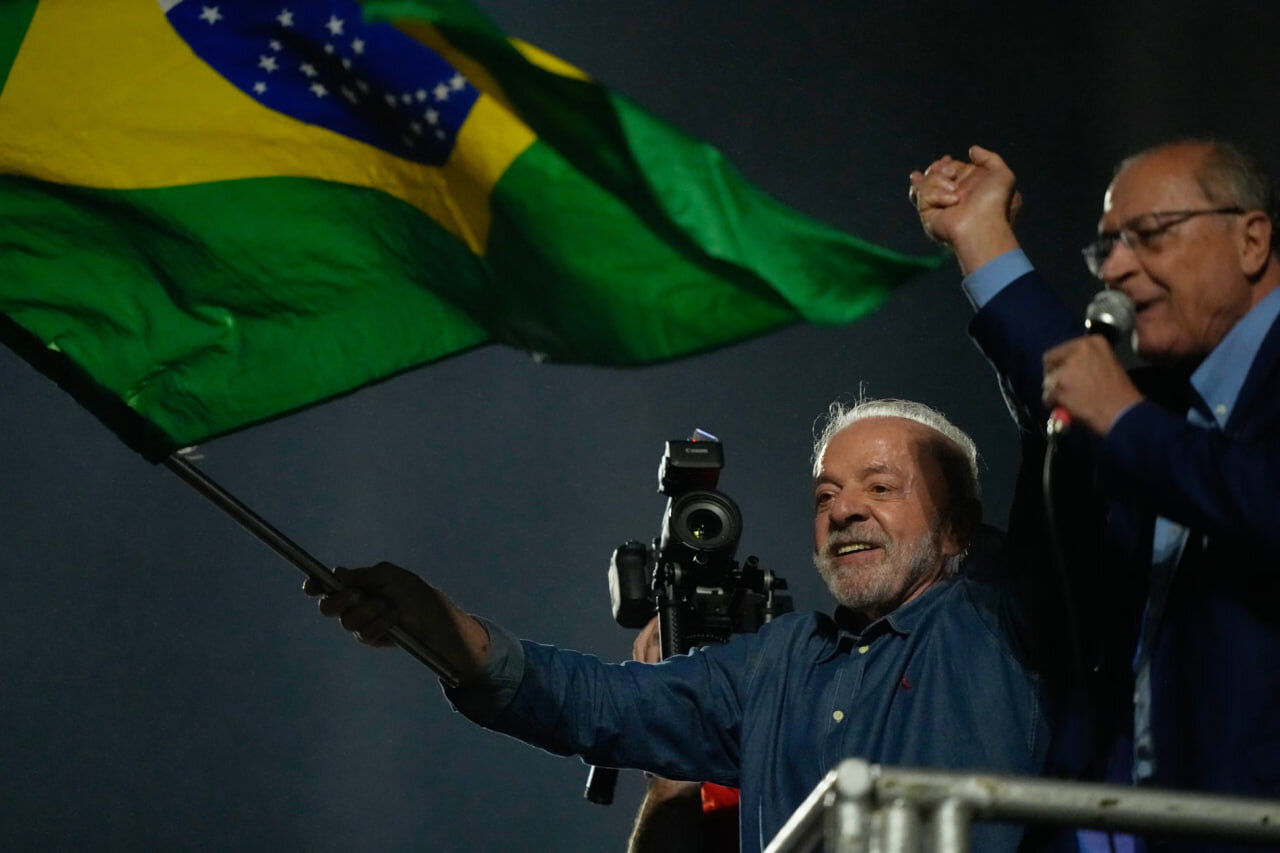
TEHRAN — Brazilians re-elected Luiz Inácio Lula da Silva on Sunday, October 25, giving the 80-year-old leftist a fourth term and the Trump administration its most consequential defeat in the Western Hemisphere. Lula took 51.8 percent to Senator Flávio Bolsonaro’s 48.2, a lead of more than 4 million votes, three weeks after trailing by 2.2 million. No one had ever won Brazil’s presidency after finishing second in the first round.
The result ends a run of seven straight right-wing presidential wins in Latin America over 18 months. Brazil was supposed to be the prize that completed the set.
Washington’s failed push
Trump never formally endorsed Bolsonaro, but his administration played its hand anyway. It imposed double-digit tariffs and sanctions on Brazilian officials to stop the prosecution of Jair Bolsonaro, now serving 27 years for a coup plot that included plans to assassinate Lula.
In May, it designated Brazil’s two largest criminal factions as terrorist organizations, which Lula warned could become a pretext for intervention. Reuters reported that the State Department led a campaign to return the Bolsonaros to power.
Flávio made the alliance his pitch, promising to join the U.S.-led “Shield of the Americas” security coalition “with great enthusiasm and great honor.”
Lula answered with sovereignty, turning the tariffs into the rallying cry “Brazil belongs to Brazilians.” On election night, he said the country “does not accept being anyone’s backyard.”
The stakes extend to minerals. Brazil holds the world’s second-largest known rare earth reserves and about 90 percent of global niobium, used in jet and rocket engines.
After USA Rare Earth, partly owned by the U.S. government, closed a $2.8 billion takeover of the miner Serra Verde, Lula’s government moved to tighten oversight of critical minerals. “With Lula, the U.S. is on shakier ground,” Monica de Bolle of the Peterson Institute told AP.
Israel had a stake too. Bolsonaro campaigned as openly pro-Israel, promising to move Brazil’s embassy to al-Quds (Jerusalem) in 2027 and to restore full ties with Tel Aviv.
Lula has long backed Palestinian statehood, and he has criticized both Washington and Tel Aviv over the genocidal war on Gaza. Brazil joined South Africa’s genocide case against Israel at the International Court of Justice and recalled its ambassador from Israel in 2024.
Benjamin Netanyahu made no secret of his preference. He appeared by video at Flávio’s campaign launch in July, and after the first round he phoned the senator and invited him to visit Israel.
The next day he posted on X, congratulating Bolsonaro, wishing him a great victory and writing, “I look forward to restoring the extraordinary friendship between Israel and Brazil.” The vote came two days before Israelis head to the polls for the first time since October 7, 2023.
How Lula turned the race around
Lula’s first-round campaign was listless, and polls favored Bolsonaro. Then it changed.
The president, who said last year he owned no cell phone, began filming selfie videos aimed at younger voters, and ally André Janones launched a WhatsApp channel, “Lula’s Army,” that grew from 50,000 followers to nearly 11 million on a platform long dominated by the Bolsonaro movement. Turnout climbed to more than 128 million, the highest in 20 years.
The government added cash: a 15 percent increase in its flagship social program, a ban on online betting, debt relief, small-business tax amnesties and free weekend public transit.
Economists put the cost near $8.8 billion next year, and opponents call it vote buying. Lula gained more than 10 million votes between rounds, including 1.3 million in the Bolsonaro-leaning south.
Flávio’s self-inflicted defeat
Bolsonaro ran to free his father, pardon the rioters who stormed government buildings in Brasília and impeach the powerful Supreme Court justices who jailed them.
Lula kept the 2022 coup plot in view and attacked Flávio over alleged links to Rio’s militias, which the senator denies. Bolsonaro’s allies were reportedly discussing cabinet posts before the count.
Then came Friday’s debate, where Flávio mocked Lula as “nine-fingers,” a jab at the digit lost in a factory accident at 17.
Lula looked into the camera. “I was a minor and working at night, because either I worked or I did not eat,” he said. Polls before the exchange gave Bolsonaro a 2-point lead. Lula won by about 3.5.
Thomas Traumann, a political analyst and spokesman for former leftist President Dilma Rousseff, called the result “a defeat of Bolsonarismo, more than a victory for Lula.”
Flávio refuses to concede, calling the two-hour voting extension ordered by Justice Cristiano Zanin a “dirty trick” and demanding annulment.
Yet his own campaign sought an extension citing rain and flooding; the electoral court chief says it changed nothing, and no Brazilian presidential election has been annulled since democracy returned.
Congratulations from Tehran, silence from Washington
Iranian President Masoud Pezeshkian sent Lula a congratulatory message, hoping friendly ties between Tehran and Brasília would grow in the new term and that cooperation would serve both peoples and strengthen multilateralism, development and international peace.
Iranian Foreign Ministry spokesman Esmaeil Baqaei also congratulated the Brazilian people and their president, calling the majority’s choice of their country’s political direction deeply meaningful.
Brazilians, he said, showed they do not yield to insinuations and decide what serves their own country.
Russia, France, the European Commission, Mexico, Canada, India, and also congratulated Lula. Trump’s White House stayed silent on Monday, as did Argentina’s Javier Milei.
Nevertheless, Lula starts January 5 from a weak position. Conservatives dominate Congress, debt is high, and Brazilian assets sold off sharply on Monday. Still, he enters office with a mandate Washington tried to prevent and cannot easily ignore.
Leave a Comment