Qatari market has high potential for expanding Iranian summer fruits export
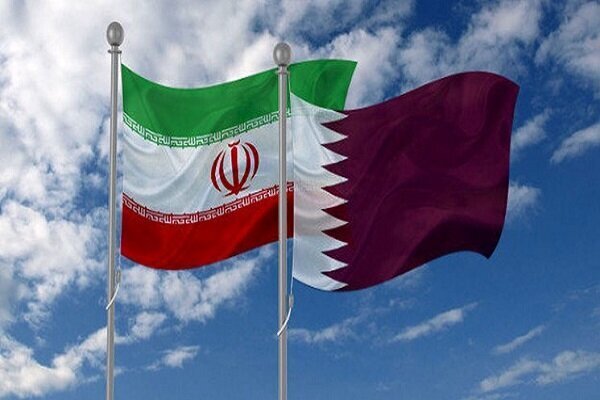
TEHRAN- Iran's Commercial Attaché in Qatar, while pointing to the capacities of the Qatari market for importing horticultural products, has declared the fresh fruit market of Qatar as one of the most attractive regional markets for Iranian exporters, given the country's heavy dependence on fruit imports.
According to the Public Relations Department of the Iran Trade Promotion Organization (TPO), Abbas Abdolkhani, describing Qatar's climatic conditions, stated: "Limited water resources and limited agricultural production have meant that a large part of the country's need for various fruits is met through imports. On the other hand, demand for fresh, high-quality fruits is continuously increasing."
Abdolkhani, noting that Iran possesses competitive advantages due to its climatic diversity, four-season production, high quality of horticultural products, and short maritime distance to Qatar, added: "Products such as grapes, peaches, nectarines, apricots, plums, cherries, figs, pears, apples, and Iranian kiwis are able to compete with rival products in the Qatari market in terms of quality, taste, variety, and price."
According to the Commercial Attaché, the short sea transport time from Iran's Dayyer Port to Qatar's Al Ruwais Port helps maintain the freshness of the product, reduces waste, and increases the shelf life of the fruit in the destination market – an advantage that many distant competitors do not enjoy.
Abdolkhani also pointed out the intense competition in this market, stating: "Turkey, Egypt, Jordan, Lebanon, South Africa, India, Pakistan, and European countries have made extensive investments in packaging, branding, and marketing in recent years and have managed to capture a significant share of the Qatari market. This shows that product quality alone is not enough for success."
Abdolkhani further offered suggestions for the sustainable presence of Iranian exporters in the Qatari market, adding: "They should pay special attention to improving sorting, grading, standard packaging, maintaining the cold chain, using refrigerated containers, continuous supply, and creating reputable export brands. Furthermore, direct cooperation with importers, distribution companies, and Qatari chain stores can help consolidate the presence of Iranian products in this market."
Emphasizing that the Qatari market seeks stable suppliers of horticultural products, he clarified: "The Qatari market is looking for a supplier that can guarantee uniform quality, regular delivery, proper packaging, and stable supply, rather than just the cheapest product. Therefore, success in this market requires a professional approach, long-term planning, and consistent marketing by private sector actors."
Finally, the Commercial Attaché stated: "Paying attention to international standards and investing in branding and marketing can significantly increase Iran's share of Qatar's fresh fruit market. This, in addition to increasing foreign exchange earnings, will lead to the prosperity of horticultural production, the development of the packaging industry, the reduction of agricultural waste, and the creation of new opportunities for private sector activists and Iranian exporters."
On July 5, Abdolkhani announced the reopening of Qatar's Al Ruwais port to Iranian goods and the resumption of maritime trade between the two countries.
Referring to the resumption of Iran-Qatar trade, Iran's Commercial Attaché in Doha stated: After approximately five months of halt in the maritime transport route for goods between Dayyer Port in Iran and Al Ruwais Port in Qatar, following continuous follow-ups by the Embassy of the Islamic Republic of Iran in Doha and coordination with relevant Qatari officials, Al Ruwais Port has once again begun accepting Iranian goods.
Referring to the importance of this trade route, he added: Al Ruwais Port is considered one of the most important gateways for Iranian goods entering the Qatari market, and the resumption of activity on this maritime route will play a significant role in facilitating trade, reducing transportation costs, increasing the speed of goods supply, and enhancing the volume of commercial exchanges between the two countries.
The Commercial Attaché of the Islamic Republic of Iran in Doha stated: A diverse range of Iranian goods is exported to the Qatari market through this route, the most important of which include various types of fresh fruits and vegetables, produce, dried fruits, foodstuffs, aquatic products, eggs and protein products, construction materials, stone, white cement, mineral products, handmade and machine-made carpets, and other goods needed by the Qatari market.
He continued: The reopening of Al Ruwais Port, in addition to boosting bilateral trade, will also increase economic and commercial activity at Dayyer Port in Bushehr Province as the port of origin for exports to Qatar, and will stimulate business for exporters, maritime transport companies, and supply chain operators.
Abdolkhani, emphasizing the growing trend of economic relations between Tehran and Doha, stated: The development and expansion of economic, commercial, and investment cooperation between the Islamic Republic of Iran and the State of Qatar is among the common priorities of the two countries and is pursued within the framework of the emphasis and will of high-ranking officials of Iran and Qatar to elevate the level of bilateral relations.
At the end, the Commercial Attaché of the Islamic Republic of Iran in Doha, while appreciating the efforts and follow-ups of the Ambassador of the Islamic Republic of Iran to Qatar for the reopening of Al Ruwais Port, expressed hope that with the resumption of activity on this maritime route, we will witness the development of private sector cooperation and an increase in the volume of commercial exchanges between the two countries.
MA
Leave a Comment