Iran marks World Zoonoses Day
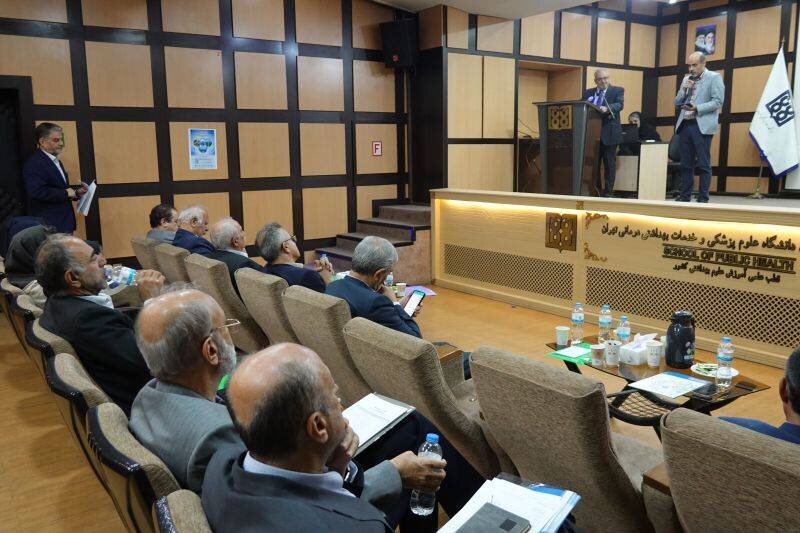
TEHRAN – Representatives from the Ministry of Health and Medical Education, the Veterinary Organization of Iran, the Department of Environment, municipalities, universities, and the World Health Organization (WHO) got together in Tehran on Tuesday to observe World Zoonoses Day 2026.
A zoonosis (zoonotic disease or zoonoses -plural) is an infectious disease that is transmitted between species from animals to humans (or from humans to animals). The primary theme for World Zoonoses Day 2026 is “One World, One Health: Prevent Zoonoses”.
To commemorate the day, experts and leaders from across the health, veterinary, environmental, academic and municipal sectors gathered in Tehran, highlighting the importance of the One Health approach in preventing and controlling diseases that are shared between animals and humans.
They discussed zoonotic disease surveillance, health security, environmental protection, and multisectoral collaboration at the School of Public Health, Tehran University of Medical Sciences.
Addressing the event, Jean Jabbour, WHO Representative in the Islamic Republic of Iran, emphasized that human, animal and environmental health are deeply interconnected and called for making One Health a routine way of working rather than an occasional partnership.
He highlighted that more than 60 percent of known infectious diseases in humans are zoonotic and stressed the importance of strengthening collaboration across sectors and academia to address challenges such as rabies, brucellosis, leishmaniasis and other zoonotic diseases.
As we mark World Zoonoses Day, let us reaffirm our shared commitment to a healthier future where people, animals and ecosystems thrive together through stronger partnerships, evidence-based action and sustained investment in One Health.
Building healthier communities from the ground up!
When communities are empowered, health and well-being thrive. Recently in Tehran, WHO joined national authorities, UN partners, and global experts to explore innovative community-based approaches to health, healthy ageing, and local empowerment.
A major highlight of the meeting was the State Welfare Organization’s “Salam Mahalleh” initiative. This incredible neighborhood-based program is connecting over 350,000 volunteers, facilitators, and organizations across more than 2,600 neighborhoods in Iran!
From community-based rehabilitation and psychosocial support to healthy ageing and social inclusion, “Salam Mahalleh” proves that community participation isn’t secondary to health—it’s a fundamental foundation.
As WHO Representative in the Islamic Republic of Iran, Jabbour highlighted that connecting local capacities with cross-sector programs is the key to sustainable, long-lasting health practices. Together with our partners, we are committed to building inclusive environments that leave no one behind!
World Zoonoses Day, observed annually on July 6, raises awareness about zoonotic diseases—infections that spread between animals and humans, such as rabies, COVID-19, Ebola, Lassa fever, bovine tuberculosis, and avian influenza. The date commemorates Louis Pasteur’s successful administration of the first rabies vaccine on July 6, 1885, marking a milestone in disease prevention.
The day highlights the importance of vaccination, responsible animal care, food safety, and environmental hygiene in controlling zoonotic threats. It also promotes the One Health approach, which emphasizes collaboration between human, animal, and environmental health sectors to prevent future outbreaks and protect global health.
Leave a Comment